


When our industrial civilization has crumbled to dust, Detroit will be remembered for its Pewabic Pottery.
Charles Freer
Dennis DeCoster was born in Detroit and resided in his beloved community of Grosse Pointe Farms, Michigan. After high school, he attended and graduated from Wayne State University with a degree in Fine Arts and began his forty-year career at General Motors as an interior designer, working initially in the corporate headquarters building on West Grand Boulevard. Over the years, Dennis became one of the most respected designers in the corporation, working with many of the most senior executives on the design of their offices and facilities worldwide.
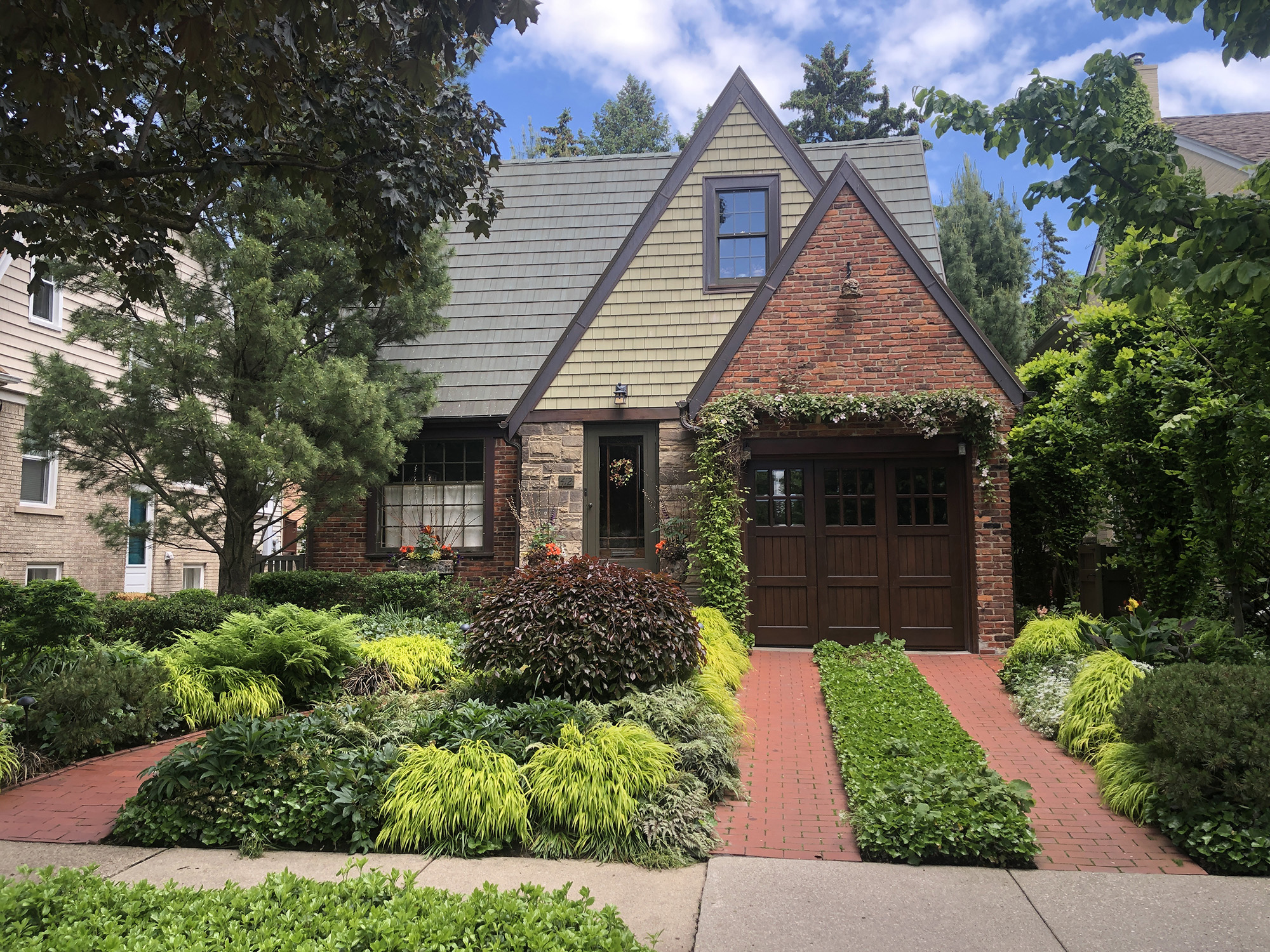
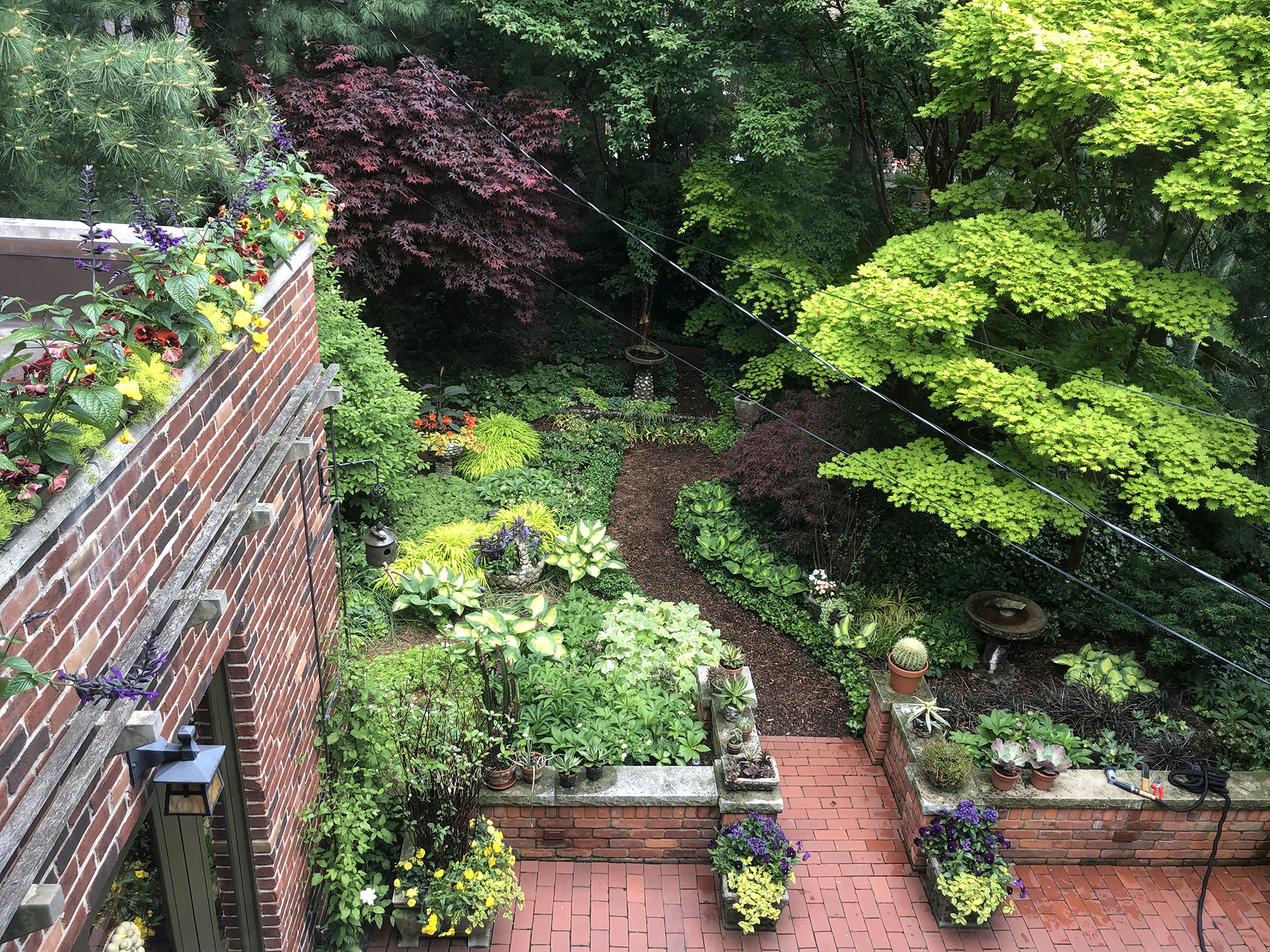
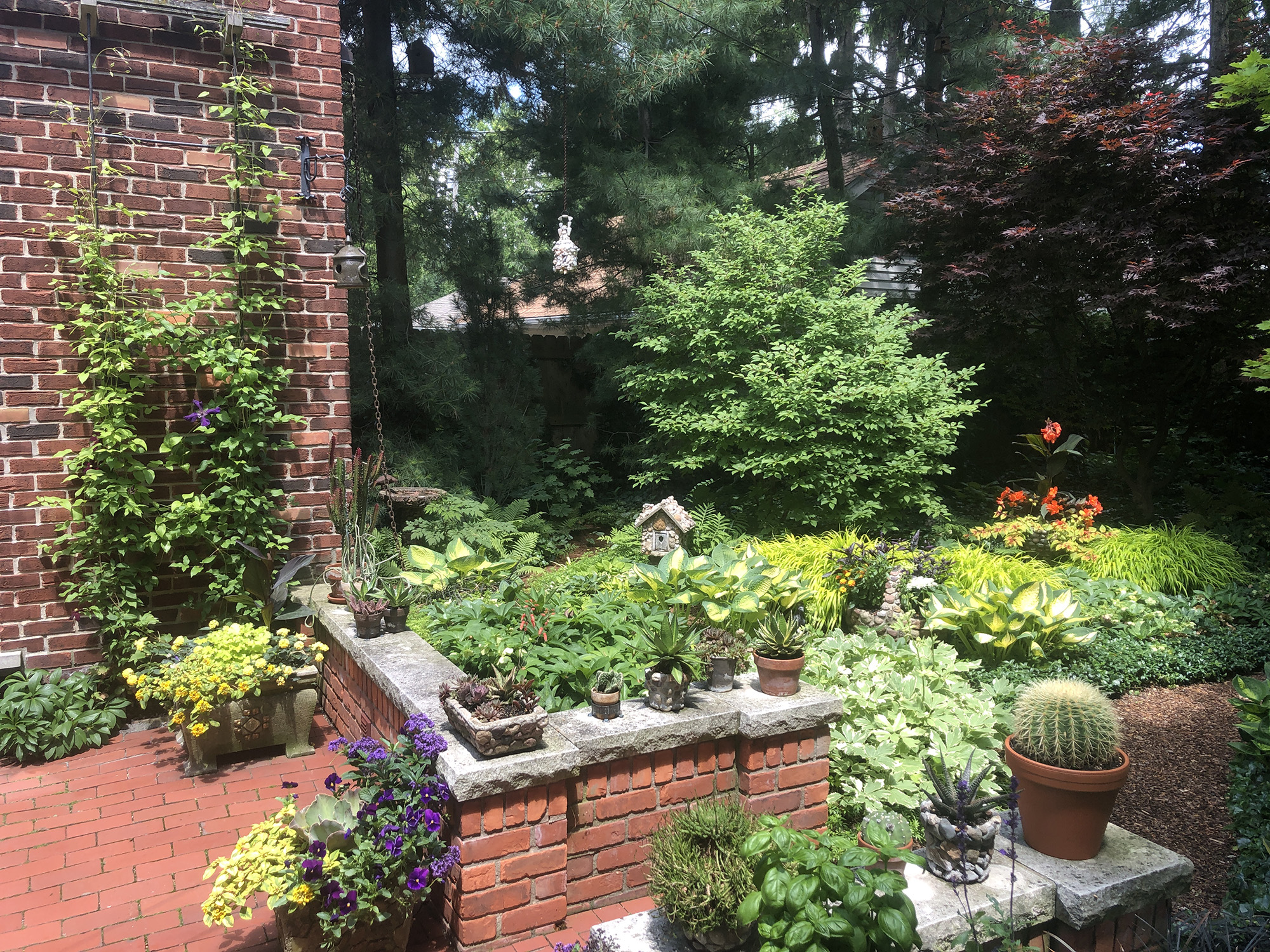
Dennis lived a life of pursuing his numerous and diverse interests. He was passionate about design, art, and architecture. In his early twenties, his love for Detroit evolved into a passion for Michigan architects, artists, and furniture manufacturers. He would make frequent trips to Pewabic Pottery, the architecture and gardens at Cranbrook Academy, Belle Isle, and Eastern Market. His creative and meticulous garden was recognized by the Grosse Pointe Farms Beautification Advisory Commission, which ultimately awarded Dennis with their distinguished Legacy Award.
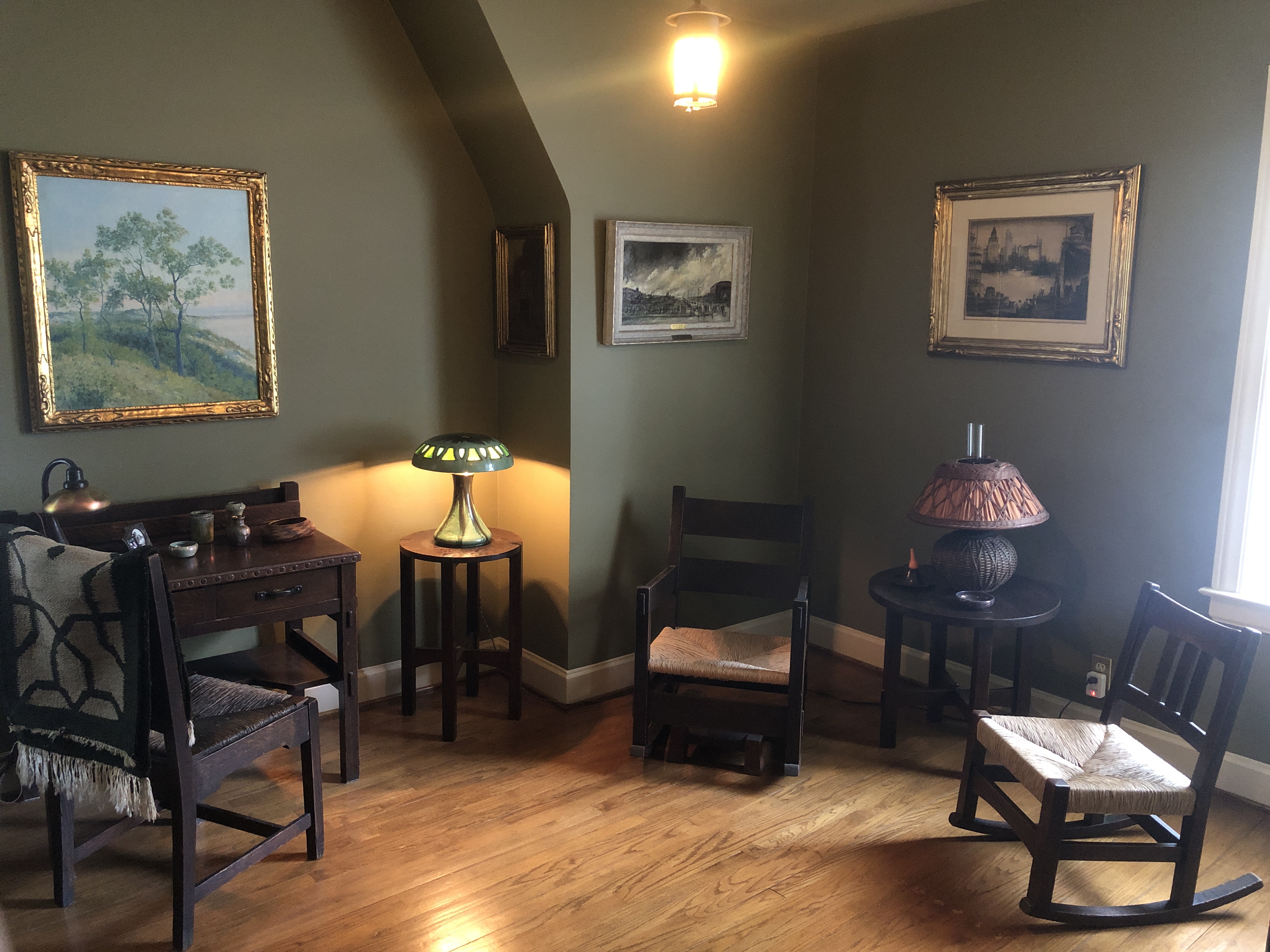
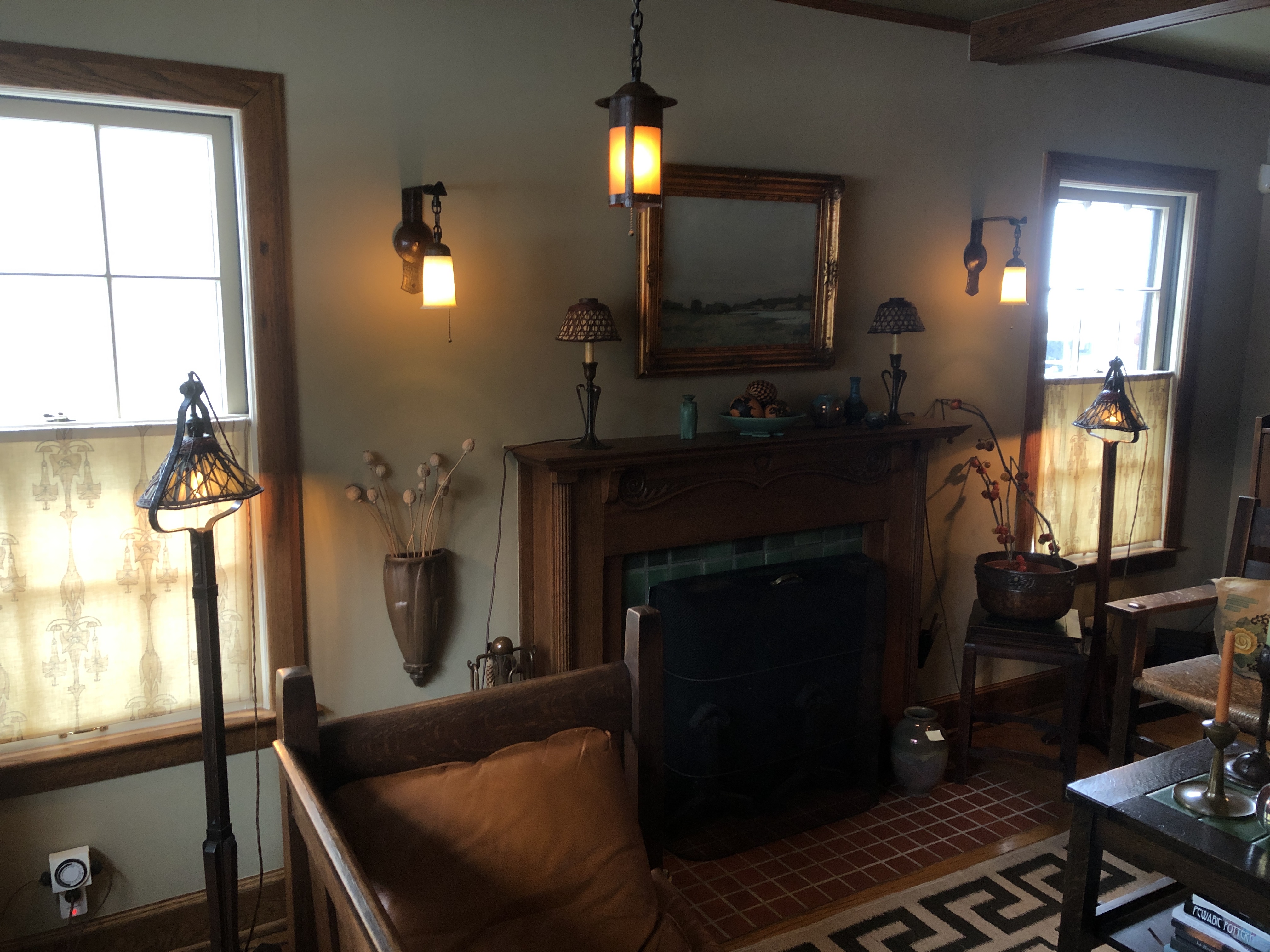
The DeCoster Collection is one of a kind and represents a lifetime effort. Dennis always recognized that he simply was a steward of what he collected and that one day those items would be passed on to others.
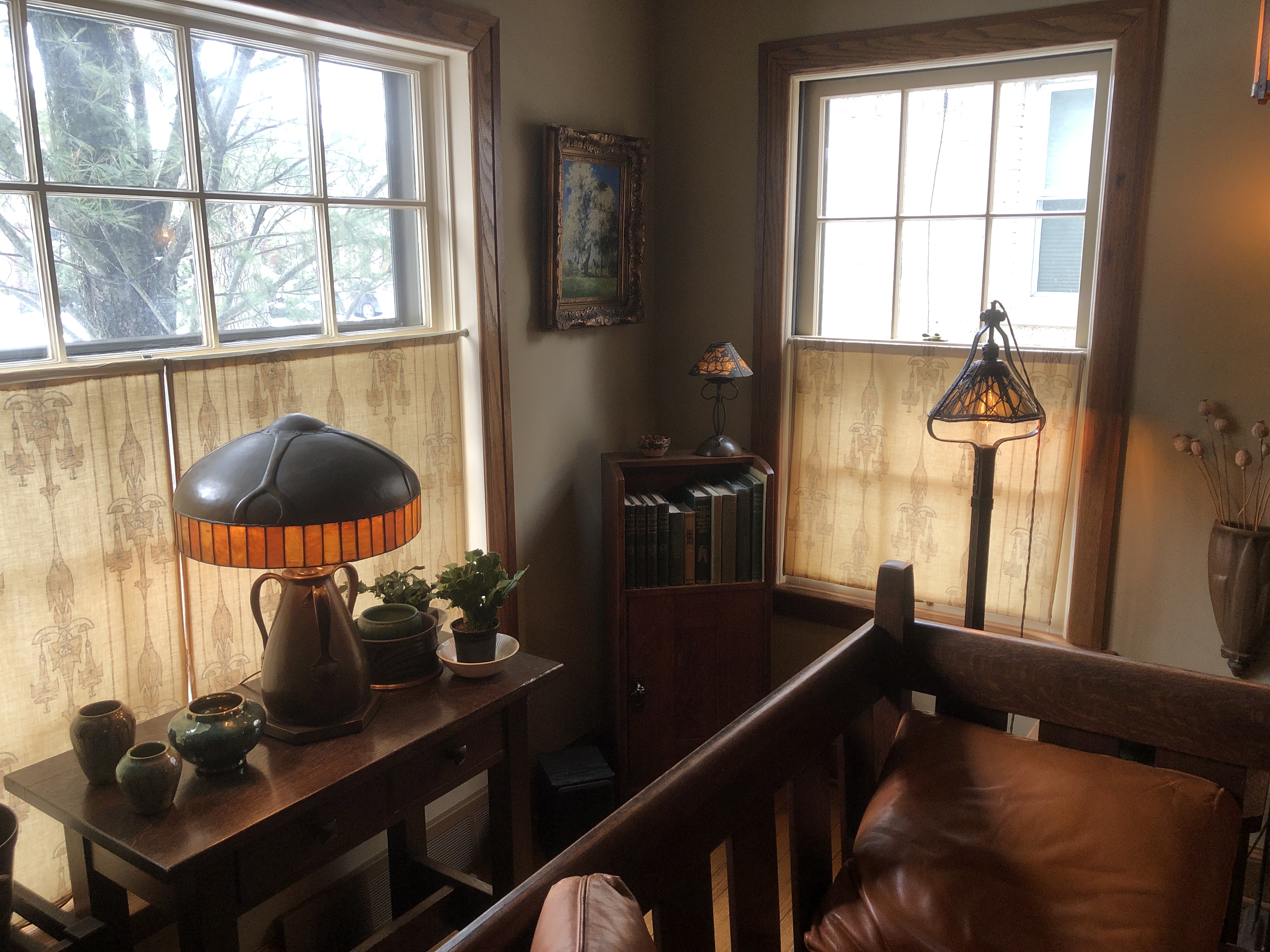
Of all those interests, Dennis was most passionate about the Arts & Crafts Movement. He became a lifelong student and started collecting in his early twenties, scouring flea markets and antique dealers in remote locations. Dennis studied all of the artists and craftsmen of the period and became well-known across the country as both an expert and top collector. He cultivated a meticulous understanding of the provenance and details of the pieces he pursued. Ultimately, Dennis acquired several rare and obscure examples of fine art, decorative art, and furniture, many of which were of museum quality.
The DeCoster Collection is one of a kind and represents a lifetime effort. Dennis always recognized that he simply was a steward of what he collected and that one day those items would be passed on to others. Hopefully, these fondly cherished works will find new homes with those who possess the same reverence and respect that Dennis had for the artists and artisans of the period.



The legacy of Pewabic Pottery is inextricably linked to the long, prolific life and career of Mary Chase Perry (1867 - 1961, pictured). In 1887, Perry began her studies at the Cincinnati Art Academy. Like many young women of the era, she took classes in painting, sculpture, drawing and china painting. In her two years there, she met others who would go on to create their own legacies as American ceramicists, including Mary Louise McLaughlin, Maria Longworth Nichols Storer, and Kataro Shirayamadani. Returning home, Perry went on to study china painting under Austrian artist Franz Bishoff. In 1893, she created a studio, the Keramic Art Colony, along with four other women, and they exhibited their work with Susan Frackelton’s recently established National League of Mineral Painters.
Perry and her neighbor, Horace J. Caulkins (1850 – 1923) founded Pewabic Pottery in 1903 in Detroit, Michigan. The two had met in the late 1890s, and started out by producing and selling a kiln named Revelation that Caulkins, a dentist, had originally developed to fire dental inlays. It was during this time when Perry began traveling around the country as a saleswomen, meeting several influential potters of her day, including Adelaide Robineau, as well as the makers at Merrimac and Grueby potteries. These visits were instrumental in ingniting Perry’s interest in creating pottery. She began to experiment with designing and firing clay bodies and creating glazes—making art pottery rather than simply china painting.
Perry named the pottery Pewabic after a copper mine in the Michigan Upper Pennisula where she grew up. Her father had been a physician to the copper miners in the region and Perry later learned that Pewabic translates to “clay with copper color” in the native Chippewa language. In 1907, Perry and Caulkins hired prominent Detroit architects Frank D. Baldwin and William B. Stratton, whom she married in 1917, to build them a permanent studio. Baldwin and Stratton designed Pewabic Pottery in the style of an English Arts and Crafts inn, which spoke to the handmade nature of Perry’s work.
In her first few years as a ceramist, Perry, inspired by Grueby, produced pieces with matte glazes and simple carved designs. She exhibited these pieces for the first time at the 1904 Louisiana Purchase Exposition in St. Louis. In 1909, Perry made the discovery of her career: the lustrous, colorful, iridescent glazes for which Pewabic Pottery became famous. Perry was inspired by Syrian pottery in the collection of her friend, the railroad magnate and famed collector of Asian works, Charles Lang Freer. Freer donated some Pewabic examples to the Detroit Art Institute, and the remainder of his Pewabic collection would eventually be placed at the Freer Gallery of Art at the Smithsonian Institution.
Perry also created tiles for prestigious commissions, some of which can be found in the Guardian Building in Detroit and at the National Shrine of the Immaculate Conception in Washington D.C.. She taught and wrote widely about ceramics, and was awarded honorary degrees from the University of Michigan and Wayne State University. She died in 1961 at age ninety-four, having contributed greatly to the field of American art pottery. Pewabic Pottery is still in operation, with more than sixty employees producing several lines of pottery and providing classes to the public. The original building remains standing and was designated a National Historic Landmark in 1991.


